Transparent Hutong Installation
From Physics to Phenomena
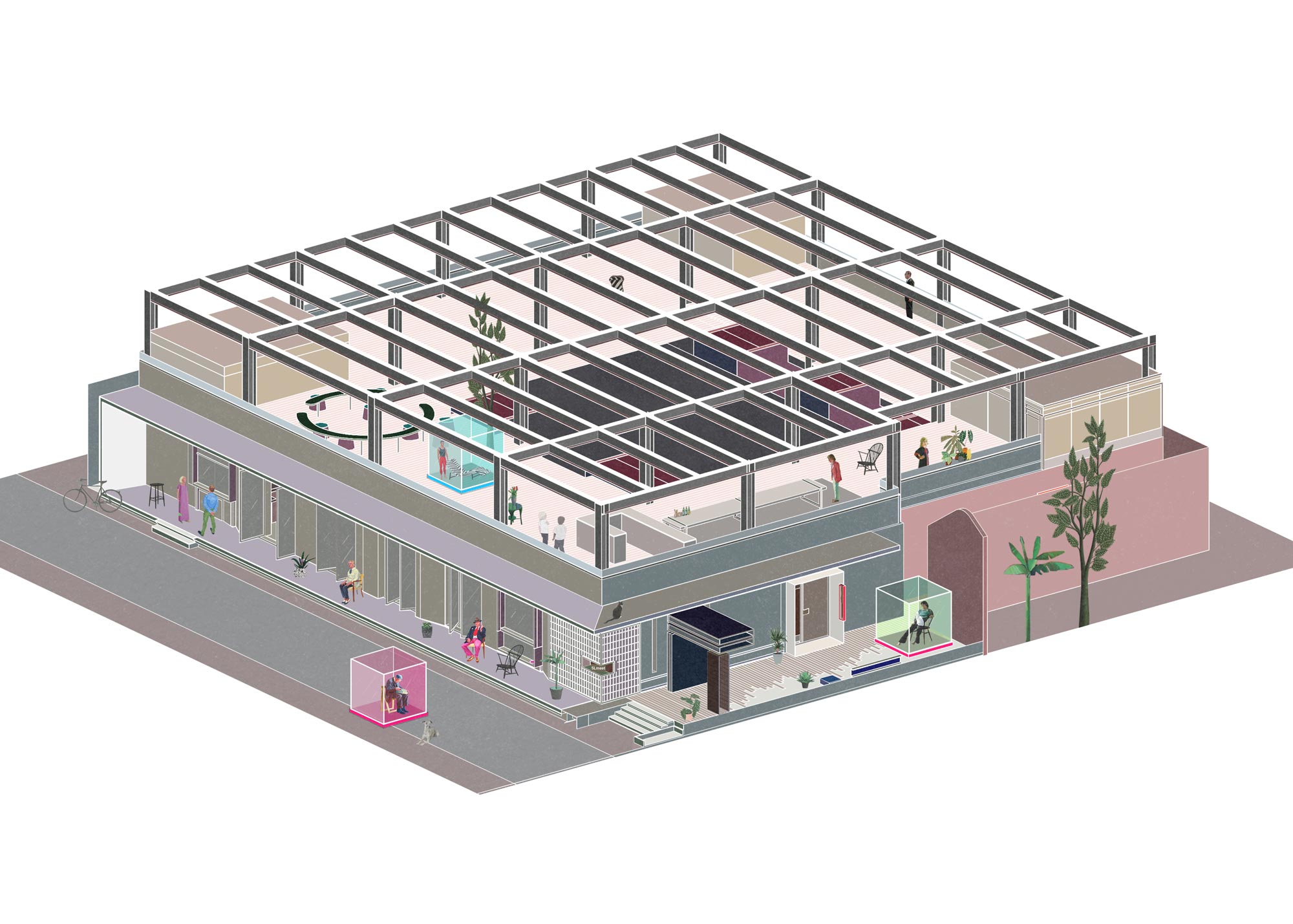
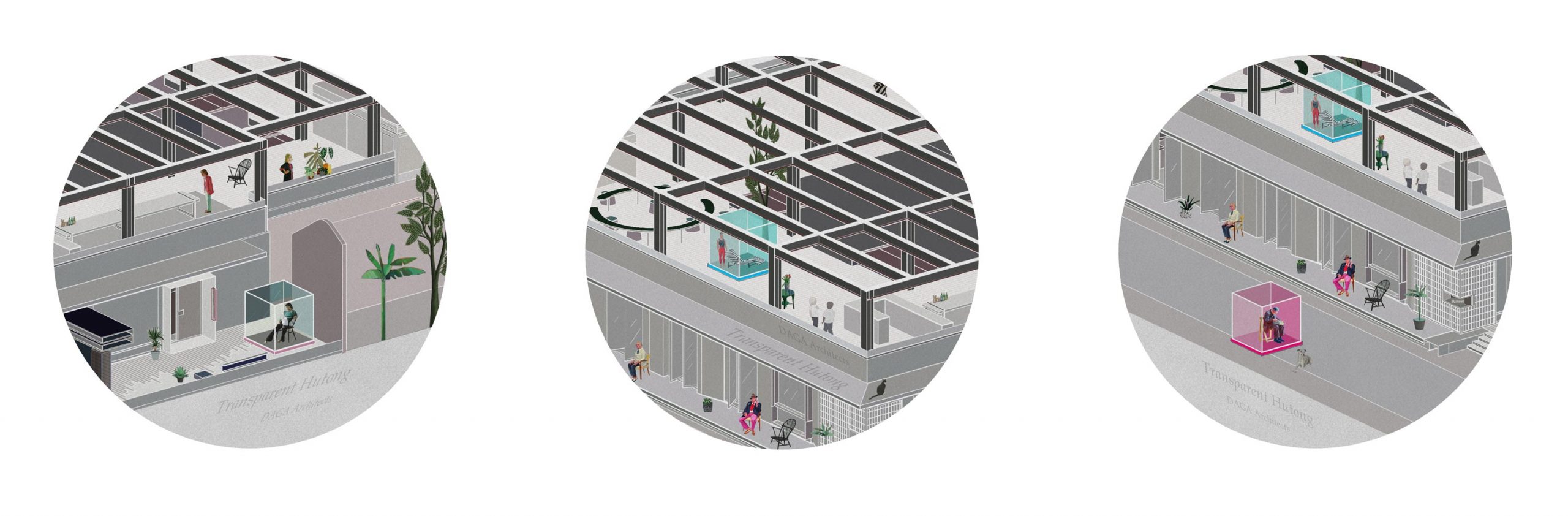
Dongsi 5Lmeet,located in the Hutong alleyway within Second Ring Road in Beijing, is the first Hutong renovation project of DAGA Architects. The original building was an abandoned soy sauce factory and now is retransformed to a space integrating living and working. During the 2019 Beijing Design Week, we will display our installation – “Transparent Hutong” in Dongsijiutiao Hutong, trying to show the life-like Hutong scenes for people to learn more about the urban renovation details. We also encourage Hutong residents to pay attention to the transformation of their living environment, so they can get closer to the urban renewal.
Colin Rowe proposed “Transparency” in 1955, extending the two-dimensional study in painting to architecture and space. Transparency has duality. It can be a physical property, such as the glass material itself, which is the existence of an entity; it can also be an intrinsic property of an organizational relationship, which is reflected in the fact that the space can penetrate each other and can ensure that they do not affect each other visually. “Transparency” realizes the duality of physics and phenomena in the transformation of architectural space. The attributes of transparent materials make the new and old buildings more integrated at the historical level, and also form an infiltration without destroying the artistic conception in space.
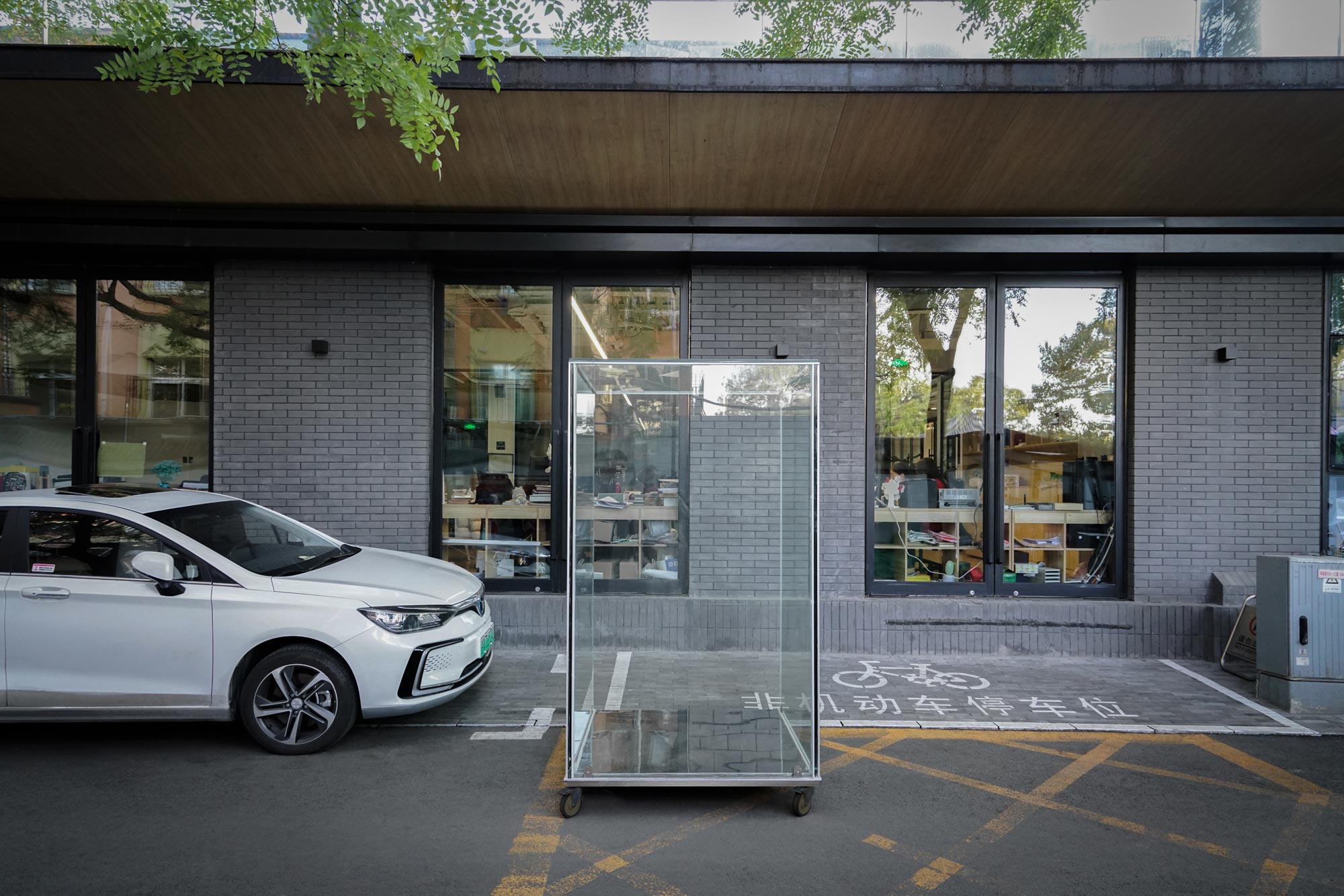
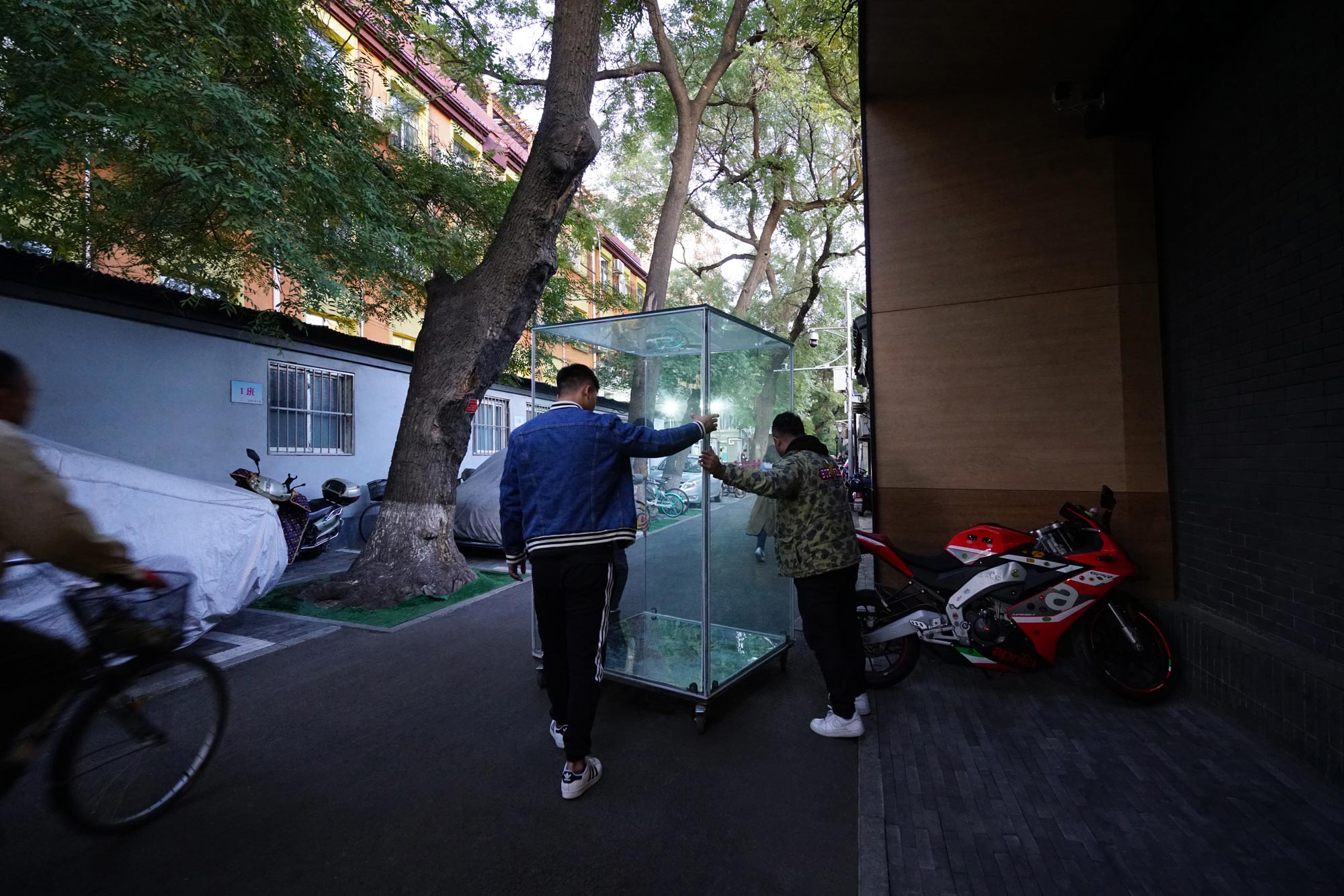
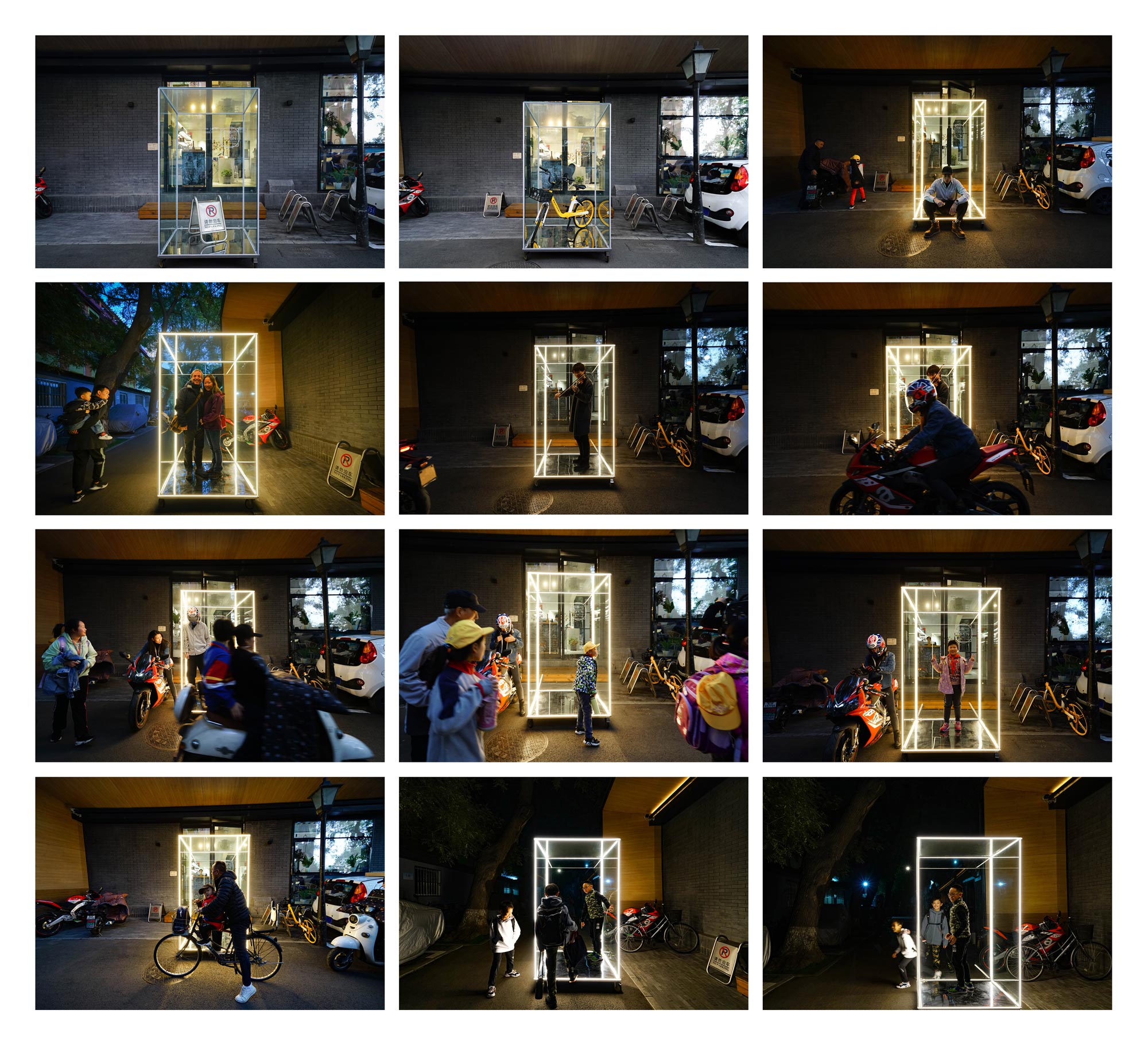
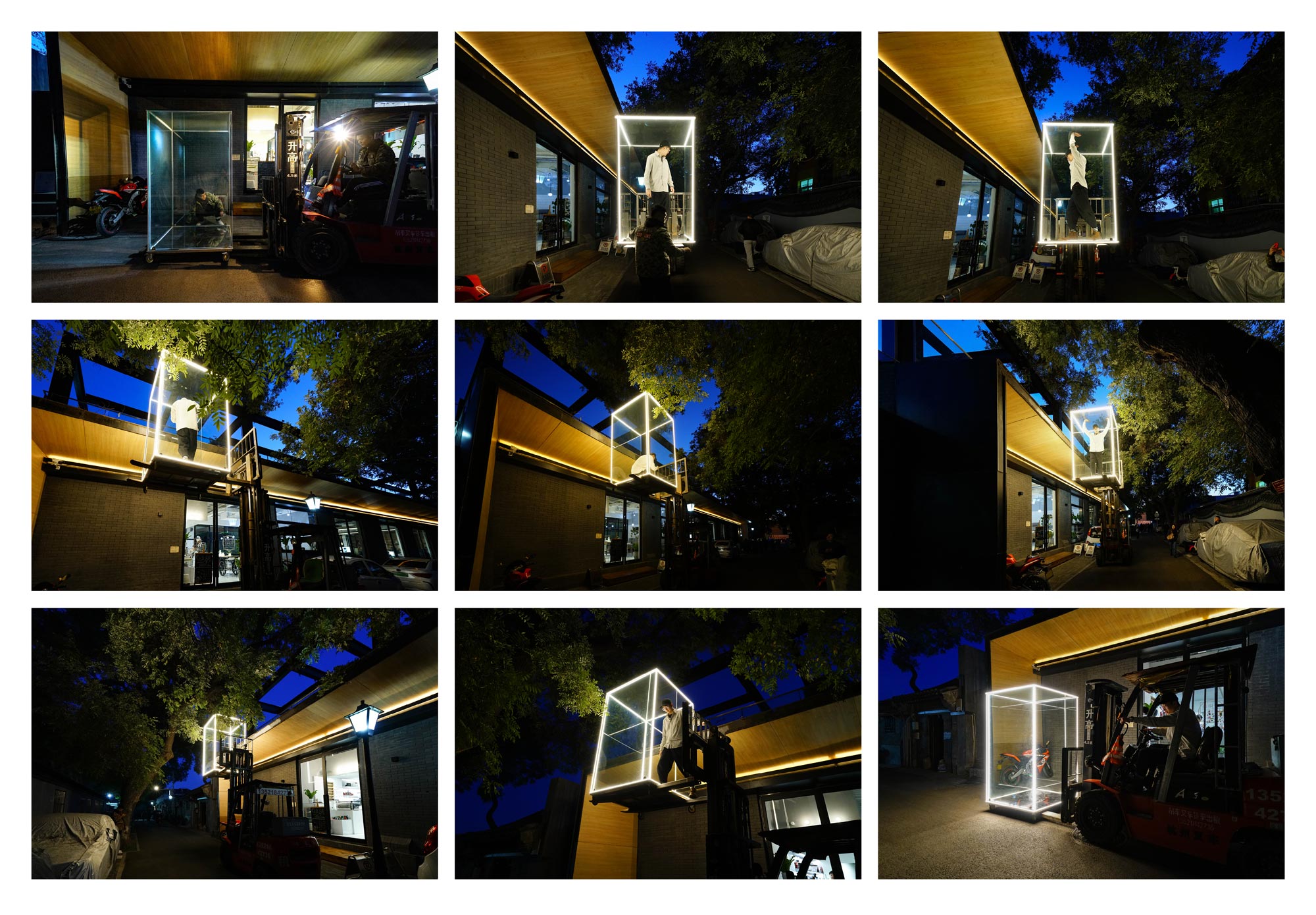
The installation is in the form of a movable glass box. It is randomly placed in the courtyard or hutong alley, allowing people to relax and enjoy the scenery of the Hutong; It can also can also moved, allowing people to walk shuttled through the Hutong, which provide a convenient community public space for the residents in the Hutong. The installation shorten the distance between people,human and buildings, human and the cities.
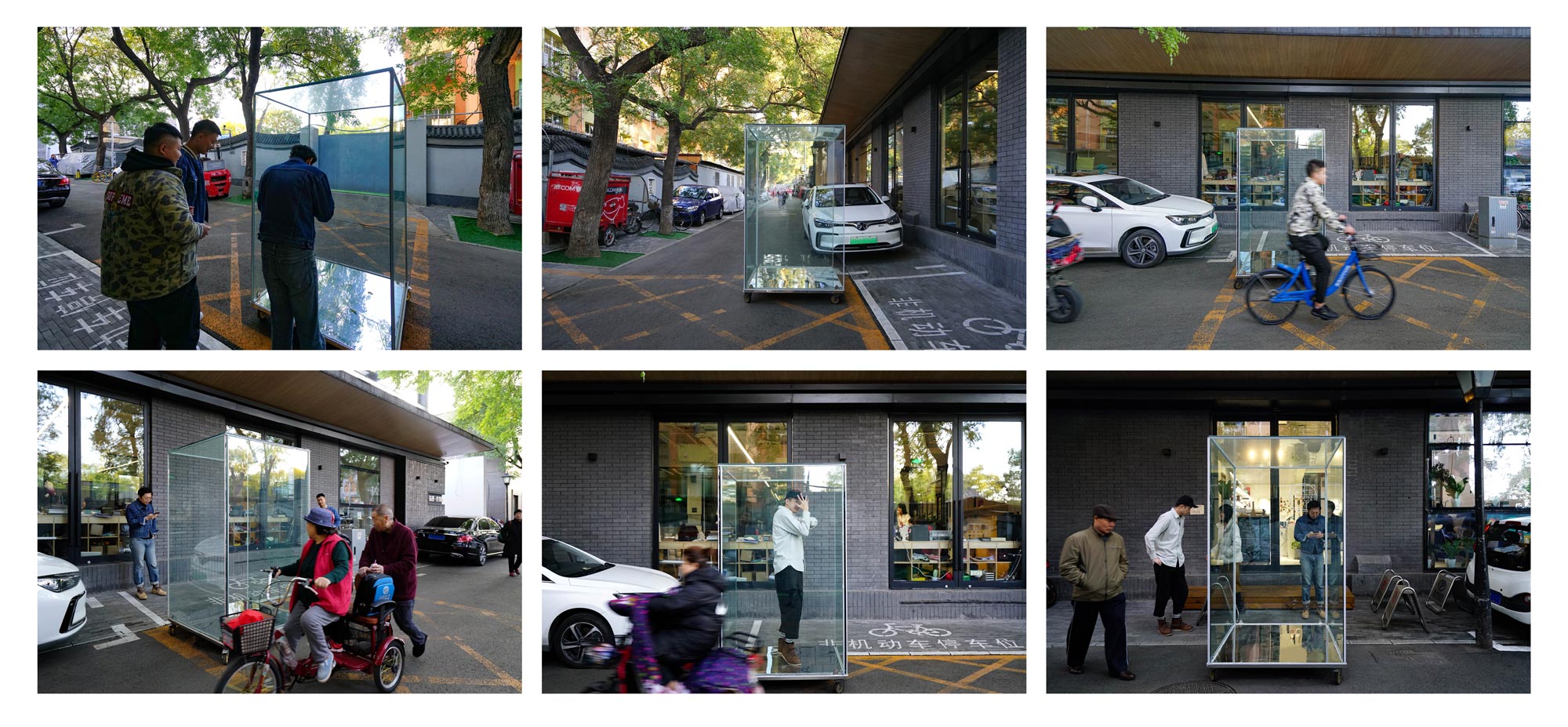
The word “Hutong” is not only a type of building or urban planning, but also a kind of lifestyle, cultural feelings, and even a memory of tradition. The Hutong carries memories of the past, people’s current lives and their aspirations for the future. Hutong life is a kind of art. People are like “self-training” architects, putting creativities in Hutong:The chess and card playroom at the gate, the small terrace on the roof and the small garden in the corridor are all spaces designed by the Hutong residents themselves. These spaces are full of scenes of vivid life, which is like a lively picture of life. Hutong is a “museum of life”.
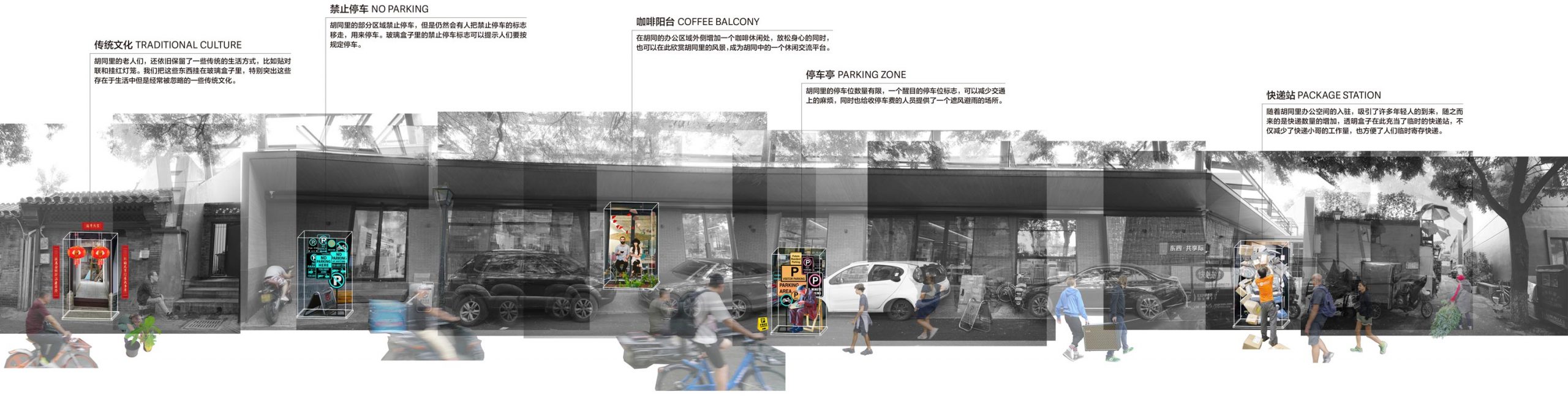
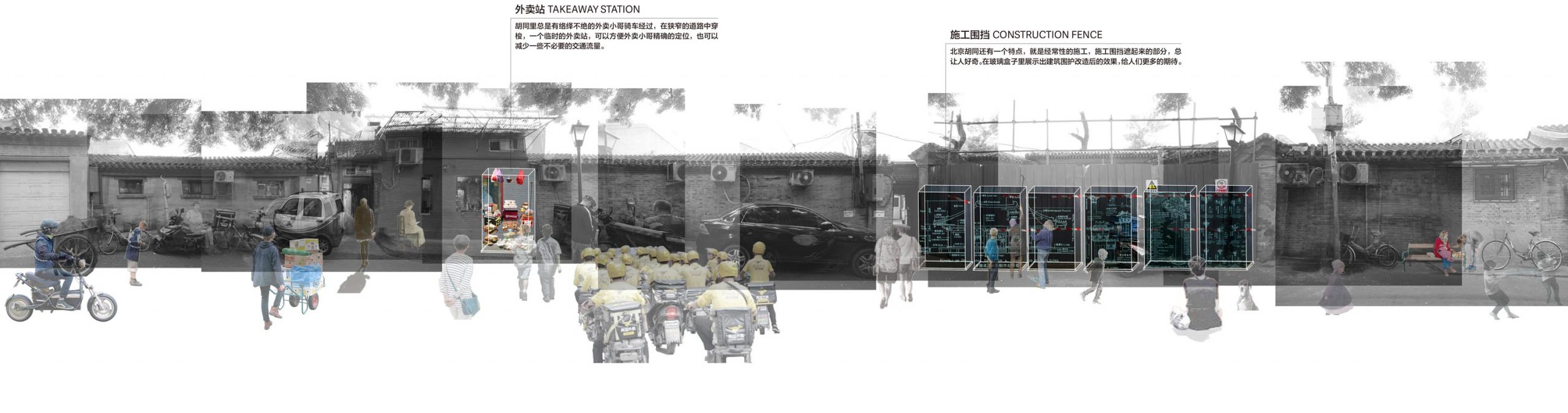
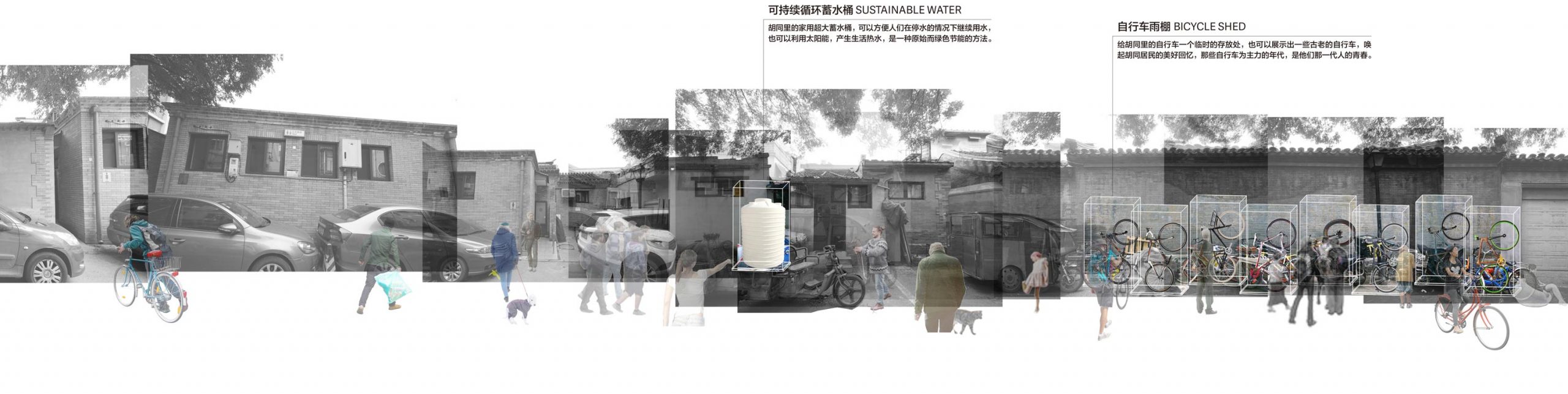

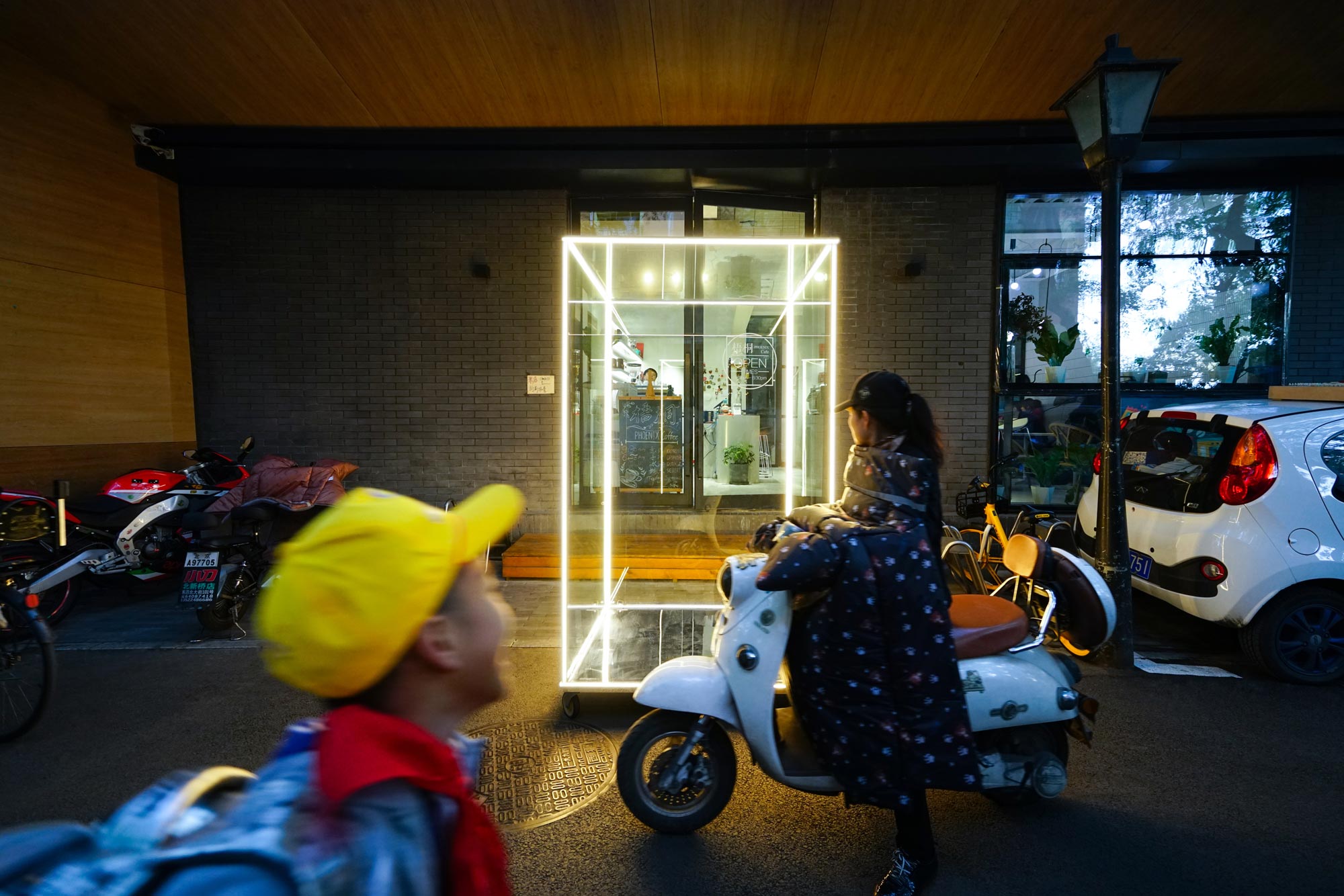
The installation “transparent box” moves around in Hutong as a showcase of the entire Hutong Museum. It presents life objects, scenes or some unexpected and interesting events of Hutong residents. The “exhibits” of the glass box constitute a dynamic museum where anyone and everything can participate. The museum not only shows the past but also the present and the future. As a transparent medium, glass connects the past and present of the Hutong and carries the old and future of the existing building.
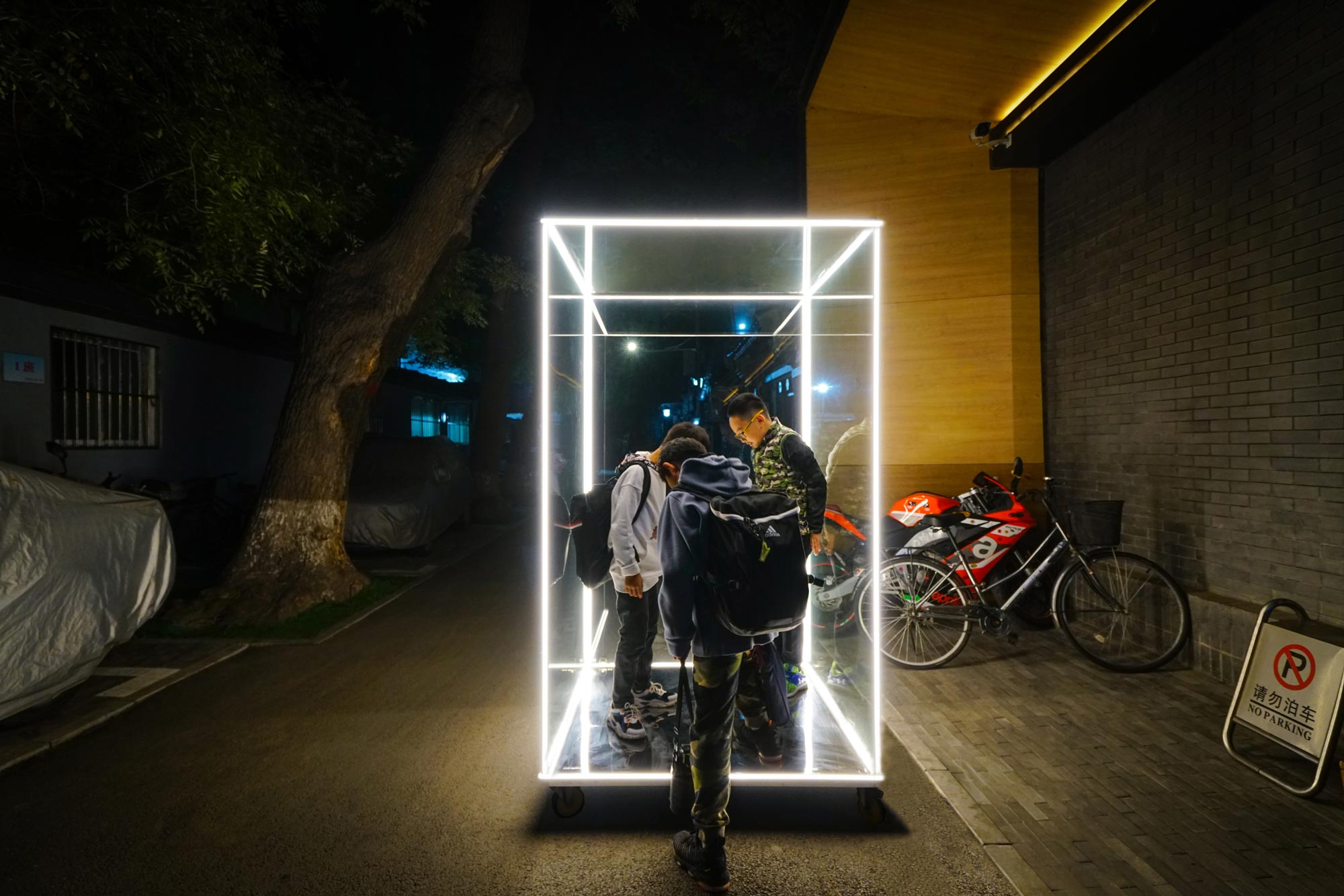
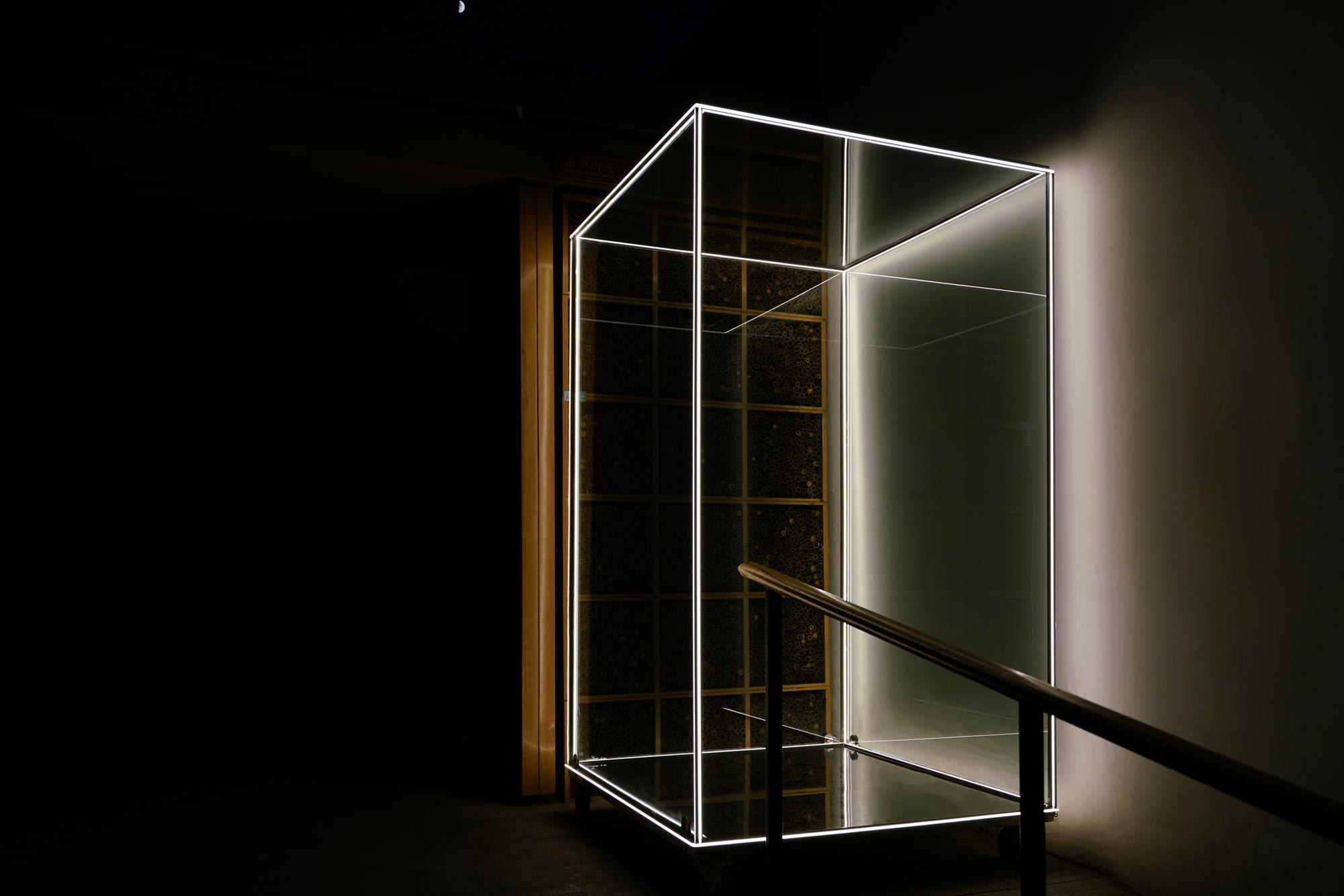
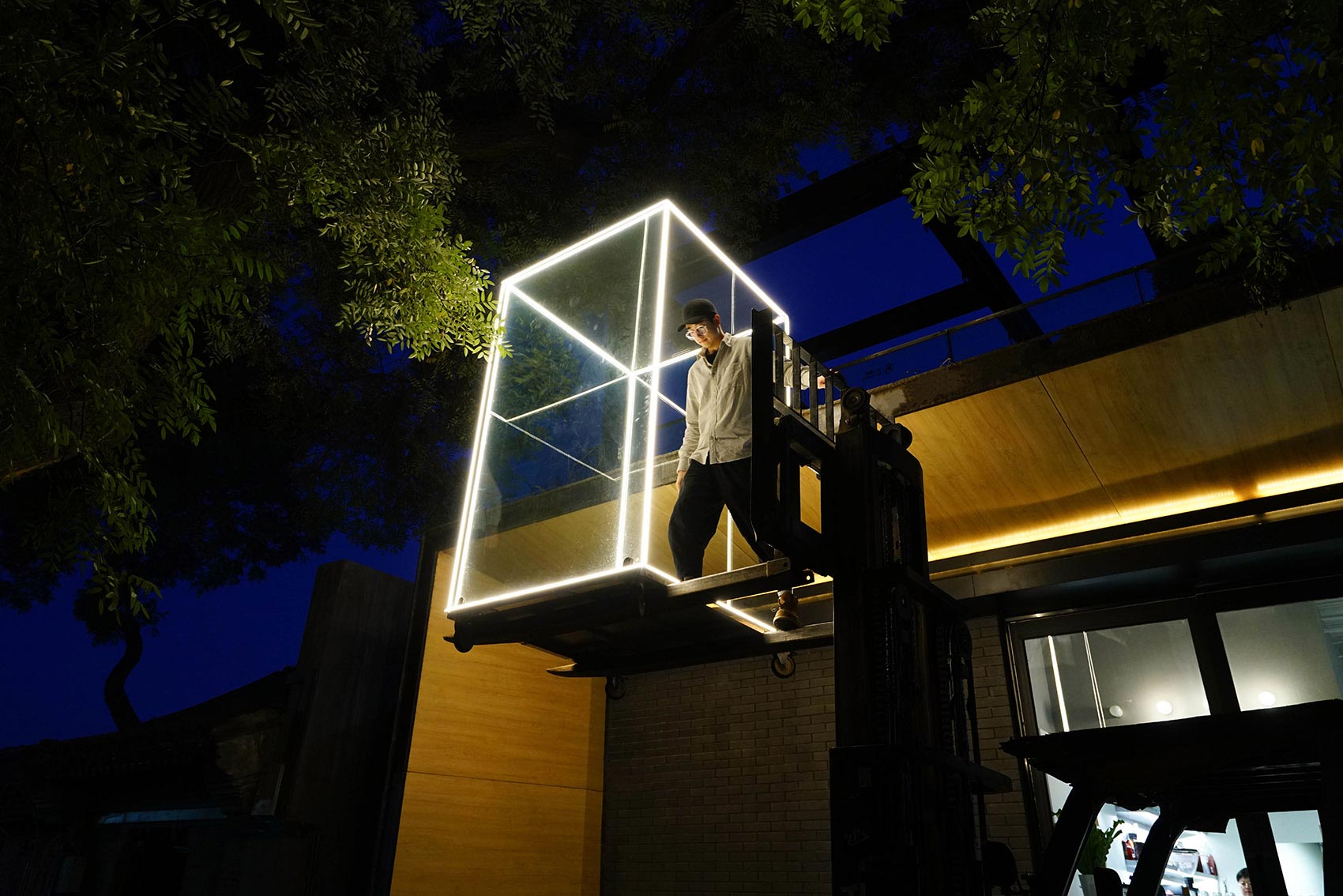
The installation is illuminated by lights at night, presented as a lightbox without any boundaries. Visitors can enter the box and experience the space. The mirror at the bottom makes the space seems deeper, which let people feel small and lonely in time and space. In this virtual “time machine”, you can think of the past, the universe and the future.
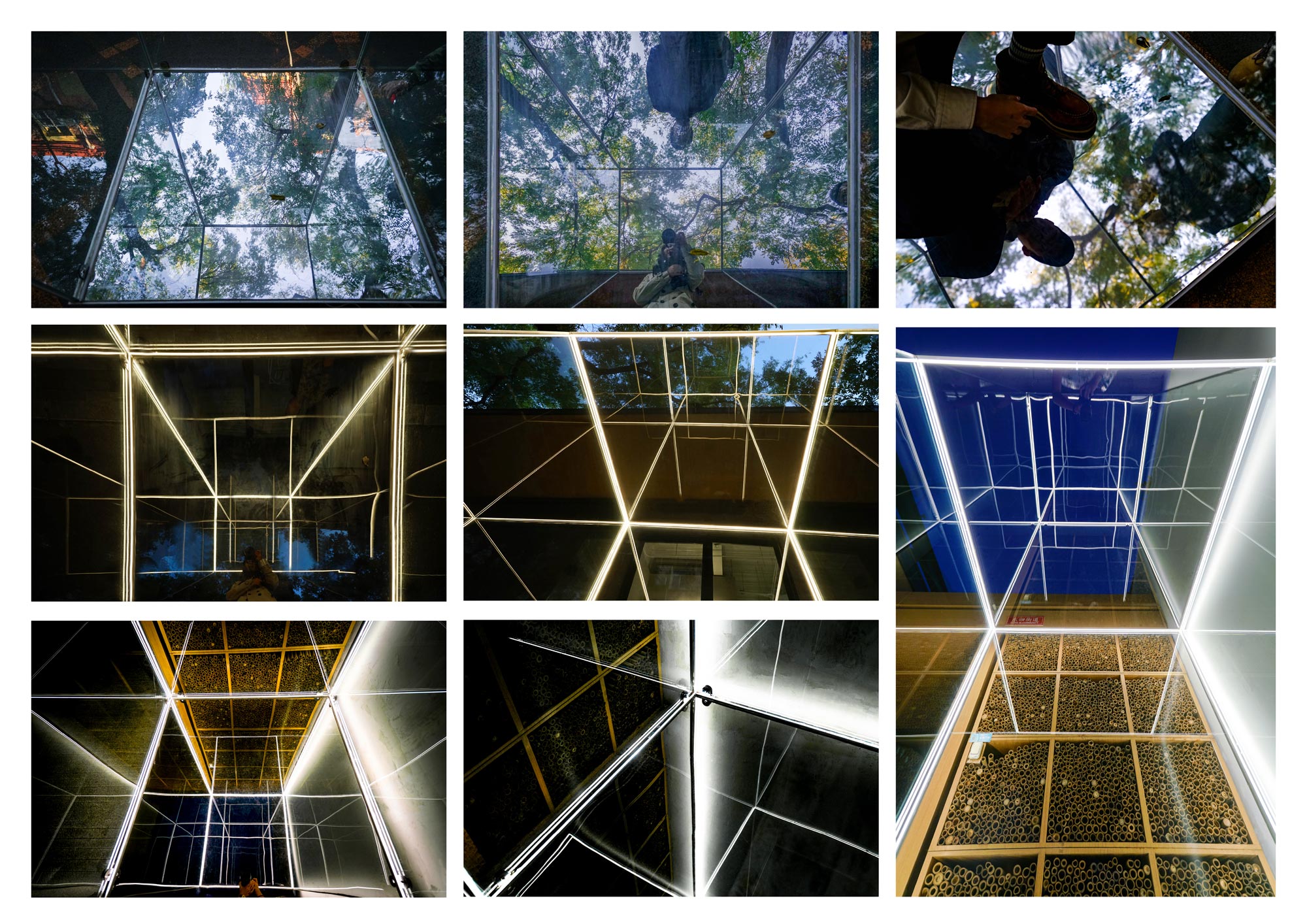
The bottom of the installation is a stainless-steel plate, like a mirror. Through the entire glass box, the surrounding environment can be reflected at the bottom, presenting a “kaleidoscope” effect. The glass frame under the light can also be reflected infinitely on the glass plate at the top. This special visual perspective enhances the spatial order, and the physicality of the material produces different phenomena according to the change of the environment.